

Circuit Solar: Leading the Way in Canadian Solar Solutions
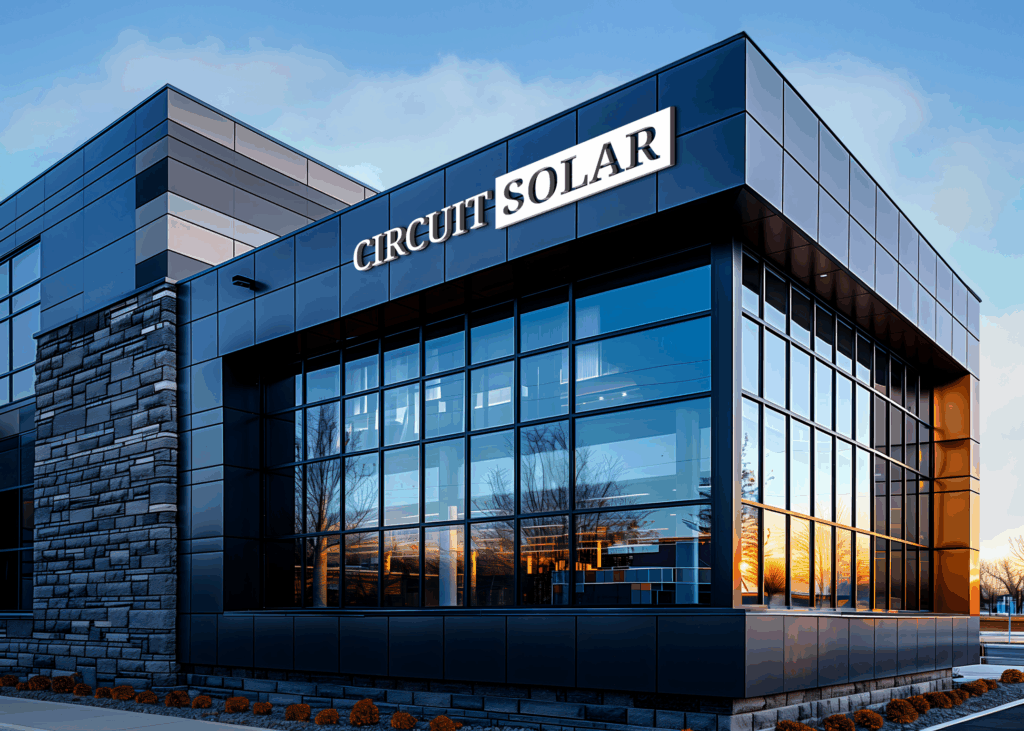
Introduction
In recent years, solar energy has transitioned from a niche option to a mainstream power source for homeowners, businesses, and off-grid applications. Among the many players in the solar industry, Circuit Solar (PO Box 721, Lytton, BC) stands out as a premier distributor and systems partner across Canada and the U.S.
This article dives into what Circuit Solar offers, how they operate, the benefits of partnering with them, and key considerations if you are thinking of going solar with Circuit Solar.
Who Is Circuit Solar?
Circuit Solar is a solar equipment distributor / wholesaler operating primarily in Canada with reach into the U.S. They serve a variety of customers — homeowners, installers, businesses — by supplying panels, inverters, batteries, and EV charging solutions.
They emphasize having “Canada’s largest selection” of solar components, alongside fast shipping and competitive pricing. Their mission is to make renewable energy more accessible, reliable, and cost-effective for Canadians.
Because Circuit Solar is more of a supply partner / distributor rather than a pure installation firm, their core strength lies in giving access to high quality solar hardware to installers and end-users across Canada.
What Products Does Circuit Solar Offer?
Circuit Solar carries a wide range of solar system components. Some of their product categories include:
|
Category |
Typical Components / Brands |
|---|---|
|
Solar Panels / Modules |
LONGi Hi-MO, Silfab, Trina, Panasonic, JA Solar, Hanwha Q Cells |
|
Inverters & Power Electronics |
Enphase micro-inverters (IQ7X, IQ8 series), SMA Sunny Tripower, Fronius, etc. |
|
Batteries & Storage |
Enphase storage, other battery suppliers listed in their catalog |
|
Mounting Systems & Balance-of-System |
Racking, mounting hardware, cable, connectors, charge controllers, EV charging hardware |
Because they function as a distribution partner, Circuit Solar can bundle all these parts to support complete system builds. Their catalog is intended to serve both DIY customers and certified installers.
Why Choose Circuit Solar? Key Advantages
Here are some compelling reasons to consider Circuit Solar for your solar needs:
1. Broad Product Catalog & Access
With a wide portfolio of panels, inverters, batteries, and accessories, they provide a “one-stop shop” for solar system components.
2. Canada-Focused Expertise
Because they are based in Canada, they understand local climate, codes, permitting, and shipping logistics across Canadian provinces. Their hardware is selected to work well under Canadian weather extremes.
3. Competitive Pricing & Fast Shipping
As a distributor, they often can offer more favorable pricing to installers — and their shipping reach extends nationwide.
4. Supporting Installers & End Users
They aim to support both professional installers and serious homeowners wanting to control their solar projects. This dual approach helps widen adoption of solar across more regions.
5. Scalability for Projects
Whether for a residential rooftop job or a commercial solar farm, their product range supports a variety of system scales.
How Circuit Solar Compares to Full-Service Solar Installers
Because Circuit Solar is primarily a distributor, not always an end-to-end installer, it’s helpful to contrast their model with that of a full-service solar company.
Circuit Solar (Distributor model):
-
Supplies hardware and components
-
Works with installers / system integrators
-
May offer consulting / system design support
-
Does not always perform the physical installation
Full-Service Installer (e.g. “Circuit Electric Solar” in Florida):
-
Offers turnkey service: design, permitting, install, financing, maintenance
-
Hands-on engagement with site assessments and customer interface
-
They carry warranties on labor, performance, and workmanship
If you choose Circuit Solar, you will likely pair them with a local installer who can handle the physical installation, permitting, and local compliance.
Key Considerations When Working with Circuit Solar
Before selecting a distributor like Circuit Solar, keep these points in mind:
1. System Design & Compatibility
Make sure that all components are compatible (panel voltage, inverter specs, string sizing). A mismatch can cause underperformance.
2. Shipping & Logistics
Check shipping costs and lead times, especially to remote or northern locations in Canada.
3. Warranty & Support
Review the warranties on modules, inverters, mounting hardware, and shipping damage protection. Also clarify customer support and RMA policies.
4. Permitting & Certifications
Your installer must be certified and knowledgeable about local electrical code, building permits, inspections, and interconnection with the grid.
5. Quality & Reliability
Ensure that the brands you select are reputable and proven, with performance data, degradation curves, and real warranties.
The Solar Technology Behind Circuit Solar: A Quick Overview
To better understand what you’re purchasing through Circuit Solar, it’s useful to grasp the core solar principles.
How Solar (Photovoltaic) Systems Work
-
Solar cells convert sunlight (photons) into direct current (DC) electricity via the photovoltaic effect.
-
Multiple cells form a module (panel).
-
Inverters convert DC into alternating current (AC) usable in homes and businesses.
-
Excess energy can be fed back into the electrical grid or stored in batteries.
Efficiency & Limits
-
The theoretical maximum efficiency of a single-junction solar cell is governed by the Shockley–Queisser limit, roughly ~30–33% under ideal conditions.
-
Real-world modules operate at lower efficiencies due to losses (temperature, shading, wiring, mismatch).
System Components
-
Open-Circuit Voltage (Voc) and Short-Circuit Current (Isc) are basic metrics of a panel’s output.
-
Series and Shunt Resistances, fill factor, and diode leakage all influence real output.
-
Mounting systems, cabling, junction boxes, combiner boxes, disconnects, and charge controllers (for battery systems) are critical parts of system design.
Use Cases & Applications for Circuit Solar
Because of Circuit Solar’s broad product range, their components can be used in many system types:
-
Residential rooftop solar
-
Commercial scale solar installations
-
Off-grid systems in remote or rural settings
-
Backup / storage systems with batteries
-
EV charging infrastructure integrated with solar
-
Hybrid solar + generator solutions
Final Thoughts & Recommendations
Circuit Solar is a strong contender in the Canadian solar distribution space, especially for those seeking access to a wide selection of quality solar hardware. While they may not always perform the installation themselves, they can act as a backbone supplier for installers and knowledgeable homeowners.
If you’re considering using Circuit Solar, the steps I recommend are:
-
Clarify your solar goals (size, grid tie vs off-grid, battery storage)
-
Work with a qualified installer
-
Get a complete hardware quote (panels, inverters, racking, cables, etc.)
-
Confirm warranties, support, and logistics
-
Monitor performance and maintain your system over time
If you like, I can also draft a SEO-optimized webpage content or blog post for Circuit Solar tailored to your target keyword(s). Would you like me to do that next?